Crown Thinning in Plaistow
If your trees are starting to cast too much shade, catch the wind, or feel a little unruly around your home or business, crown thinning in Plaistow could be the right solution. This service is ideal when you want to reduce density in the canopy without giving the tree a harsh, over-cut look. It helps improve light, air movement, and structure while keeping the tree’s natural shape as intact as possible.
For local property owners in Plaistow, a well-planned thinning service can make a real difference. Whether you have a mature tree in a front garden, a row of trees near a shared boundary, or larger planting around a commercial yard, careful pruning can improve everyday use of the space. It can also help reduce the chances of branches rubbing, failing under pressure, or causing nuisance over driveways, paths, and windows.
Contact us today if you want a practical, tidy, and tree-friendly way to manage overgrown canopy growth. This page explains what crown thinning is, when it makes sense, how the work is carried out, and why local knowledge matters in a busy area like Plaistow.
What crown thinning means for Plaistow properties
Crown thinning is the selective removal of smaller branches throughout the tree’s crown. The aim is not to shorten the tree dramatically, but to reduce crowded growth so light and air can move through the canopy more easily. Unlike heavy reduction, this method keeps the tree’s overall height and outline largely unchanged.
In practical terms, that means the tree can still look full and healthy, but with less congestion. The work usually focuses on crossing branches, weak stems, deadwood, and growth that creates too much internal shade. A skilled arborist will choose cuts carefully so the tree stays balanced and continues to thrive.
For homeowners and businesses in Plaistow, this approach is often preferred where appearance matters as much as function. Many local gardens are relatively compact, and many streets have mature trees close to houses, fences, outbuildings, and footpaths. A thoughtful thinning job can help the tree fit the space better without making it look overworked.
Why local customers choose crown thinning
People look for tree thinning for a variety of reasons. Some want more daylight into a rear garden. Others need to reduce the amount of leaf litter or wind resistance. In some cases, a tree has become too dense after several seasons of unchecked growth, and the canopy now feels heavy, dark, or uneven.
There are also safety and maintenance reasons. Dense crowns can hold more wind, which may increase stress on branches and the main stem during strong weather. They can also make it harder to inspect the tree properly, meaning small issues may go unnoticed until they become bigger problems. Careful crown thinning in Plaistow can make routine tree care more manageable.
Local customers often appreciate that this service can improve conditions without removing the tree altogether. If you like the tree but want better light, better shape, and less crowding, thinning is usually a sensible middle ground.
Signs your tree may benefit from thinning
It is not always obvious when a tree needs attention. Some trees simply grow denser over time and gradually start to affect the use of the surrounding space. If you are unsure whether thinning is appropriate, the following signs may help.
Common signs include:
- Heavy shade in gardens, patios, or rooms facing the tree
- Branches crossing or rubbing within the canopy
- Thick leaf cover that blocks airflow
- Increased wind movement or swaying in exposed spots
- Dead, weak, or congested growth inside the crown
- Branches close to roofs, fences, sheds, or service lines
- Reduced visibility for shopfronts, forecourts, or vehicle access areas
If any of these sound familiar, a site visit can help determine whether crown thinning is the best option or whether another form of tree maintenance would suit the situation better.
How crown thinning is carried out
A proper thinning job starts with a close look at the tree’s species, condition, size, age, and position. The arborist then decides where selective cuts will improve the canopy while protecting the tree’s health. The aim is always to remove growth with a clear purpose, rather than cutting randomly or overdoing the work.
The process typically includes removing deadwood, crossing branches, and small live branches from throughout the crown. Good thinning is balanced and measured. It should leave the tree looking natural, with light passing through the canopy in a more even way. The tree should not end up patchy, lopsided, or stripped.
In many cases, the work is completed from the ground using pole tools or from a safe climbing setup, depending on the tree and site access. On tighter Plaistow properties, careful planning is especially important where gardens are narrow, access routes are shared, or vehicles need to remain nearby.
What makes a good result
A quality crown thinning result should be hard to notice as a “big cut” job. The improvement is usually in how the tree functions rather than how dramatic it looks. You may see more daylight, less density, and a more open structure, while the tree still appears full and healthy.
Why crown thinning is useful in Plaistow
Plaistow has a mix of housing styles, from terraced streets and semi-detached homes to flats, mixed-use buildings, and commercial premises. That variety means tree work often needs to be adapted to very specific site conditions. A tree in a front garden near a pavement may need a different approach from one in a larger rear plot or industrial yard.
In more built-up parts of the area, trees can quickly start competing with the practical use of outdoor space. Dense crowns may block natural light, make patios less usable, and increase dampness or shade around walls and windows. In workplaces and retail settings, overgrown trees can also affect visibility, access, and the overall appearance of the property.
Local knowledge matters because the work has to suit both the tree and the location. Plaistow properties may involve narrow access, limited on-street parking, shared boundaries, close neighbouring homes, and the need to keep disruption low. A local team is more likely to understand these realities and plan the job sensibly from the start.
Local site challenges to consider
Some of the most common site factors in Plaistow include:
- Restricted access through side passages or rear entrances
- Limited parking for vans and equipment
- Shared gardens or boundary trees near neighbouring properties
- Overhanging canopies close to roofs and extensions
- Busy roads and foot traffic nearby
- Space constraints around commercial units, yards, and loading areas
Benefits of crown thinning
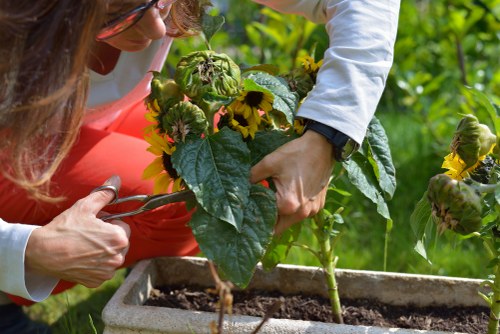
When carried out correctly, crown thinning can offer several worthwhile benefits. These are not just cosmetic. Many customers choose this service because it improves the day-to-day use of their property in a practical way.
Key benefits include:
- Better light penetration - More daylight can reach lawns, planting beds, windows, patios, and internal rooms.
- Improved airflow - A less congested crown allows wind to pass through more easily, which can support healthier growth and reduce stress.
- Reduced branch crowding - Removing crossing and rubbing limbs can help maintain a stronger structure.
- Better appearance - The tree can look more refined and balanced without losing its natural character.
- Less nuisance - You may notice less shading, less debris build-up, and fewer branches hanging awkwardly over key areas.
- Practical site improvement - Driveways, forecourts, paths, and shared spaces can feel more open and usable.
For many property owners, these benefits make crown thinning a sensible investment in both the look and function of the landscape.
What is included in a professional crown thinning service
Customers usually want to know exactly what they are paying for before booking tree work. A professional service should be clear about the scope of the task and what will happen on the day. While every tree is different, most crown thinning jobs include a similar set of steps.
Typical service features:
- Initial inspection of the tree and surrounding area
- Discussion of the customer’s goals, such as more light or improved clearance
- Selective pruning to reduce internal density
- Removal of dead, weak, or crossing branches where appropriate
- Careful shaping to preserve a natural form
- Clearing and responsible disposal of arisings, if included in the agreed service
- Basic tidy-up of the working area after completion
It is always worth asking what is included before the work begins. Some jobs may need extra steps, especially if the tree is large, access is difficult, or the canopy is particularly dense.
What a careful arborist will avoid
Good pruning is selective. It should not involve excessive removal from one area, topping, or cutting the tree into an unnatural shape. A trained tree specialist will avoid leaving large wounds or over-thinning the crown, because that can create unnecessary stress and spoil the long-term structure.
How to prepare your property before the work starts
Preparing well can help the job go more smoothly and reduce delays on the day. It also makes it easier for the team to work safely around your home, garden, or business premises.
Simple preparation checklist:
- Move cars if access to the tree or driveway may be affected
- Clear garden furniture, plant pots, washing lines, and ornaments from the work zone
- Keep pets and children away from the area while the work is taking place
- Check whether gates, side access, or rear paths can be opened in advance
- Let neighbours know if branches overhang shared boundaries
- Point out any delicate features, cables, sheds, greenhouses, or surface coverings that need care
If access is especially tight, mention this when booking. In Plaistow, it is common for properties to have narrow entrances or limited outdoor space, so a little planning can make a big difference.
For commercial customers, preparation may also mean arranging temporary access to loading bays, customer parking, or staff routes so the work can be completed with minimal interruption.
Pricing factors for crown thinning in Plaistow
Because trees and sites vary so much, it is not sensible to expect a one-size-fits-all price. A proper quote should reflect the actual work required rather than a rough guess. Several factors influence the overall cost of crown thinning in Plaistow.
Common pricing factors include:
- Tree size and height
- Canopy density and the amount of selective pruning needed
- Whether climbing equipment or specialist access methods are required
- Ease of access for staff, tools, and waste removal
- Proximity to buildings, boundaries, or public areas
- Whether the work includes deadwood removal, disposal, or additional tree care
- The number of trees involved, especially on commercial or larger residential sites
To get the most useful quote, it helps to share clear photos and a brief description of what you want to achieve. If your main concern is light, wind, safety, or simple tidiness, say so. That way the recommended work can be matched to your goals.
Why clear quotes matter
A clear quotation gives you a better idea of the scope of work, the method, and any practical considerations before booking. It also helps avoid misunderstandings about what will be done to the tree and how the site will be left afterwards.
Why choose a local company for tree thinning
Choosing a local company for crown thinning brings practical advantages. Local teams tend to understand the types of trees commonly found in the area, the layout of local streets, and the day-to-day realities of working around parked cars, neighbours, and businesses.
That local awareness can be especially useful in Plaistow, where a job may involve working close to busy roads, smaller front gardens, shared access, or mixed residential and commercial surroundings. A local tree specialist is more likely to plan sensibly for those conditions, which can reduce disruption and make the visit more efficient.
Why customers often prefer local help:
- Quicker understanding of access and parking limitations
- More suitable advice for trees in built-up surroundings
- Better awareness of common local property layouts
- Practical planning for neighbours, shared boundaries, and foot traffic
- Faster response for quotes, site visits, and scheduled work
When you want tree work done properly and with minimal fuss, local experience can make the difference between a stressful job and a straightforward one.
Residential crown thinning across Plaistow
For homeowners, crown thinning is often about making the garden more pleasant and usable. A tree that has grown dense over the years can create deep shade, make lawns patchy, and limit the value of outdoor space. It can also affect the outlook from living rooms, kitchens, and upstairs windows.
In terraced streets and smaller gardens, careful thinning can help you keep a tree you enjoy while solving the practical issues it creates. The goal is usually to keep the garden feeling open without removing the character that a mature tree adds to the property.
Residential customers often ask for thinning when they want a lighter, cleaner feel around the house. It can be a sensible choice for front gardens that feel too enclosed, back gardens that are losing daylight, or boundary trees that need better balance with adjoining plots.
Common residential concerns
- Too much shade on lawns, patios, and planting beds
- Branches overhanging roofs, conservatories, or extensions
- Leaves and twigs collecting in gutters or along paths
- Neighbours affected by encroaching growth
- Safety worries during windy weather
Commercial crown thinning for local businesses
Businesses in Plaistow may need crown thinning for a different set of reasons. Appearance matters, but so does access, safety, and keeping the site easy to use for staff, customers, and deliveries. Dense trees around offices, shops, managed estates, schools, car parks, and industrial premises can interfere with practical use of the space.
Professional tree thinning can help improve visibility, reduce overhang, and make outdoor areas feel more orderly. It can also support a cleaner presentation for clients and visitors without removing the trees that contribute to the property’s character.
For commercial customers, timing and planning are especially important. Work may need to be scheduled around opening hours, staff movements, vehicle access, or shared site rules. A local team can usually adapt more easily to those constraints.
Commercial settings that may benefit
Examples include: car parks, yards, retail frontages, office grounds, housing developments, schools, nurseries, hospitality premises, and industrial units.
Tree species and crown thinning considerations
Different tree species respond differently to pruning. Some tolerate selective thinning well, while others need a lighter touch. The tree’s health, age, and growing conditions also matter. A mature tree that has been in place for decades may need a very careful approach, while a younger tree may be able to recover more quickly from maintenance pruning.
A professional arborist will consider the biology of the tree before deciding how much growth to remove. This is important because over-thinning can reduce energy reserves and create an unbalanced crown, while under-thinning may not achieve the daylight or airflow improvements you want.
That is why tree work is best done by people who understand both the visual and structural effects of pruning. The right balance can improve the tree’s function without compromising its long-term health.
How crown thinning differs from other tree services
Customers often hear several tree care terms and are not always sure which one they need. Understanding the difference can help you ask for the right work from the start.
Crown thinning reduces density throughout the canopy while keeping the overall shape. Crown reduction lowers the size of the crown more noticeably. Crown lifting removes lower branches to raise clearance beneath the canopy. Deadwood removal targets dead or dying branches for safety and tidiness.
Sometimes a tree needs more than one of these services. For example, a tree might benefit from thinning plus a small amount of crown lifting to improve access over a driveway or path. In other cases, thinning alone is enough to achieve the desired result.
Which service is right for you?
If your main problem is excess density rather than the tree’s overall size, thinning is often the best match. If the tree is too tall or too wide for the site, a reduction may be more appropriate. A site assessment can help determine the safest and most suitable option.
Frequently asked questions
Q: Will thinning make my tree look bare?
A: Not when it is done properly. The goal is to reduce congestion, not strip the crown. A good finish should still look natural and balanced.
Q: Is crown thinning suitable for every tree?
A: Not always. Some trees respond better than others, and the condition of the tree matters. A professional assessment is the best way to find out.
Q: How much growth is usually removed?
A: That depends on the tree and the objective. The amount removed should be guided by the tree’s needs and the site conditions rather than a fixed rule.
Q: Can thinning help with strong wind?
A: It can reduce resistance by opening the canopy, which may help with wind loading. The tree still needs to be assessed carefully to make sure the result remains stable and healthy.
Q: Do I need permission before the work starts?
A: Some trees may be protected by a preservation order or located within a conservation area. If you are unsure, it is worth checking before booking any work.
Q: How often should a tree be thinned?
A: It depends on the species, growth rate, and location. Some trees may need attention more regularly than others, especially in fast-growing or exposed sites.
Q: Can crown thinning help if the garden feels too dark?
A: Yes, improving light is one of the main reasons customers request this service.
What to expect when you book
When you arrange crown thinning in Plaistow, the process should be straightforward. After an initial discussion, a site visit or review of photos may be enough to confirm the work required. You can then agree on the scope, timing, and any site-specific access details.
On the day, the team should arrive prepared for the tree size, the site layout, and the necessary equipment. They should work carefully around nearby structures and leave the area tidy once finished. If the job involves waste removal, that should be handled as part of the agreed service.
If you are ready to improve light, reduce canopy density, and make your outdoor space easier to use, request a free quote today. A local tree specialist can advise whether thinning is the best option and help you plan the work around your property.
Areas covered around Plaistow
Tree care needs can vary block by block in East London, so local coverage is useful when you want a quick, practical response. Customers in Plaistow often also look for tree services in nearby neighbourhoods and surrounding parts of the borough.
Nearby areas commonly served may include:
- West Ham
- Upton Park
- Canning Town
- Stratford
- Forest Gate
- Barking Road corridor and nearby residential streets
- Other local parts of Newham and adjoining areas, depending on the job
If your tree is near a boundary or sits in a shared space, the right approach is to assess the site properly before any cutting begins. That is especially important where neighbours, public paths, or business operations could be affected.
Book crown thinning in Plaistow with confidence
Whether you are trying to bring more light into a garden, reduce wind pressure on a mature tree, or improve the appearance of a commercial site, crown thinning in Plaistow can be a smart and practical solution. It is a careful way to reduce density without losing the tree’s natural character.
For the best result, the work should be planned around the tree, the property, and the way the space is used. That is why many local customers prefer a team that understands Plaistow’s mix of housing, commercial sites, narrow access points, and neighbour-sensitive boundaries.
Contact us today to discuss your tree, ask questions about the process, or request a free quote. If you are ready to improve your outdoor space, book your service now and take the first step toward a lighter, tidier, and better-managed canopy.